What is Diarrhea in Children?
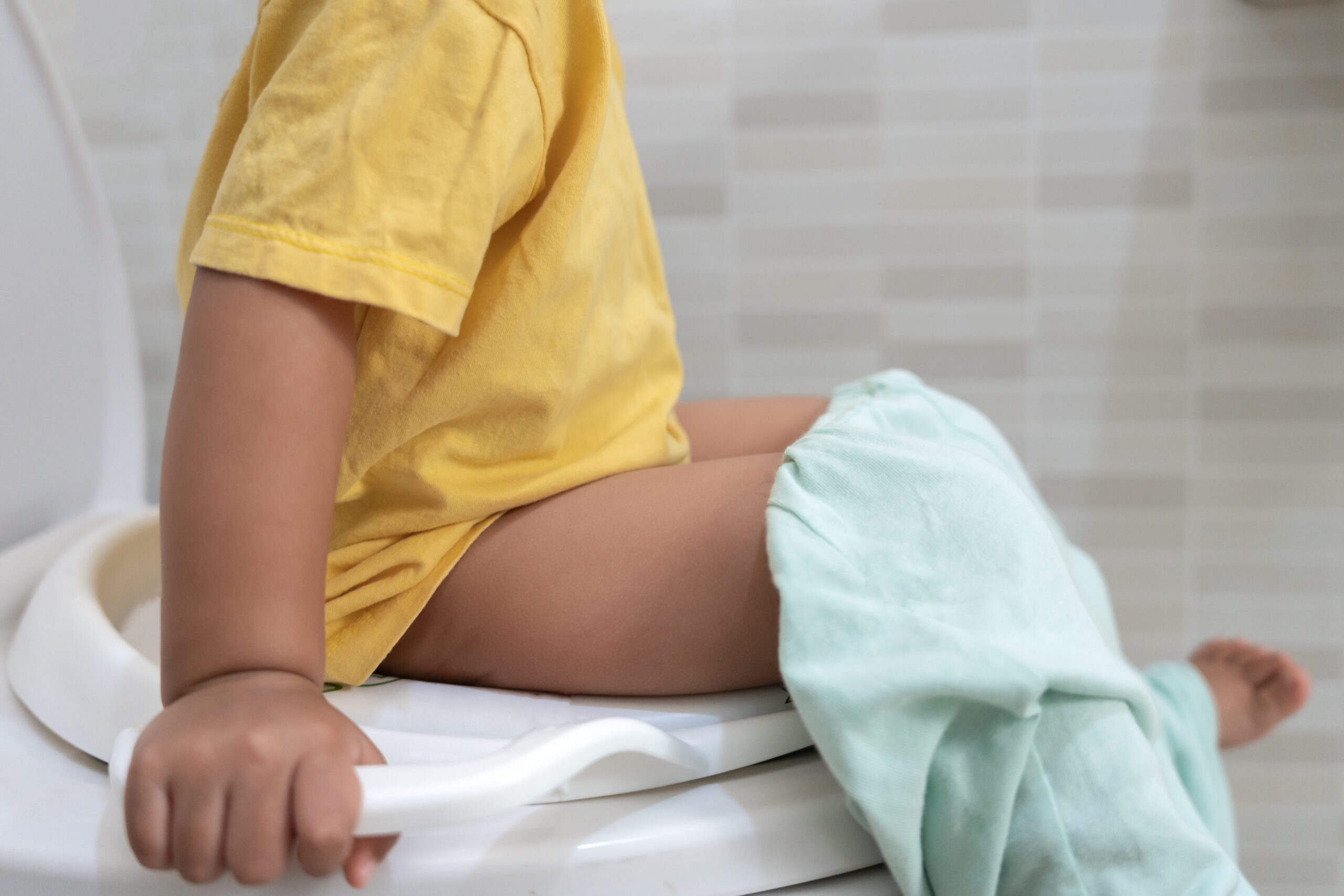
Diarrhea in children means having loose or watery stools more often than usual. Often, it comes on suddenly and can last a few days. Sometimes, it may last longer. Because children lose fluids quickly, diarrhea can be serious. Therefore, it is important for parents and caregivers to know what to watch for and how to help.
Common Causes of Diarrhea in Children
Many things can cause diarrhea in children. Some causes are mild, while others need medical care. For example, the most common causes include:
In addition, stress or changes in diet may sometimes trigger diarrhea.
Symptoms to Watch For
Diarrhea in children often comes with other signs. Because these symptoms can vary, it is good to know what to look for. Common symptoms include:
However, if your child seems very tired, has blood in the stool, or shows signs of dehydration, seek help right away.
How is Diarrhea Diagnosed in Children?
Doctors often ask about your child’s symptoms and recent activities. Sometimes, they may check for signs of dehydration. In some cases, they may order stool tests to look for germs or parasites. Blood tests are rare but may help if the cause is unclear. Usually, most cases do not need many tests and get better on their own.
Effective Treatment Options
Treating diarrhea in children focuses on keeping them hydrated. Most children recover with simple care at home. However, some may need extra help. Treatment options include:
But if your child cannot keep fluids down or seems very weak, see a doctor quickly.
Home Care and Lifestyle Tips
While your child recovers, you can help at home. For instance, try these tips:
Additionally, watch for signs of dehydration or worsening symptoms.
Prevention Strategies
Preventing diarrhea in kids is possible with a few simple steps. For example:
Because these habits lower the risk of infection, they help keep your child healthy.
When to See a Doctor
Sometimes, diarrhea in children needs medical care. You should call a doctor if your child:
Because quick care can prevent problems, do not wait if you are worried.
Conclusion
In summary, diarrhea in children is common but can become serious if not managed promptly. Understanding the causes, symptoms, and treatment options helps parents respond quickly and effectively. With proper home care and preventive measures, most children recover well.
However, if symptoms persist or worsen, consult Safe Hospital for expert pediatric care and personalized medical advice to ensure your child’s safe and speedy recovery.