What Are Pediatric Allergies?
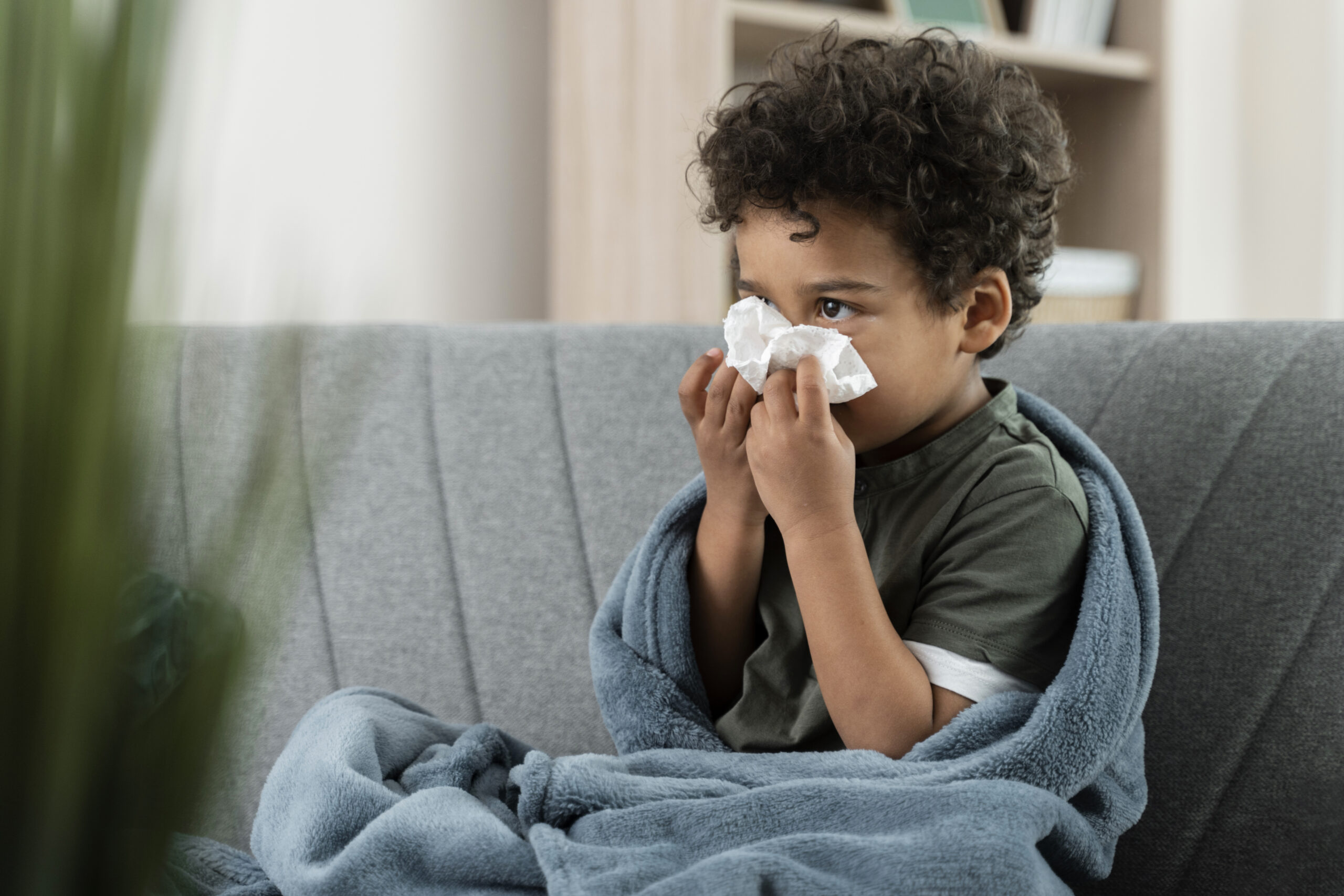
Pediatric allergies are reactions that happen when a child’s immune system responds to harmless things like pollen, food, or dust. These reactions can cause many symptoms. Often, children’s allergy symptoms can affect their daily life. For example, allergies can make it hard for kids to sleep or play. According to the CDC, allergies are common in children and can start at any age. Early recognition helps with better management.
Common Symptoms of Pediatric Allergies
Children may show different allergy symptoms. However, some signs are more common. Watch for these symptoms if you suspect an allergy:
Sometimes, symptoms can be mild. But in rare cases, allergies can cause a severe reaction called anaphylaxis. This is a medical emergency and needs quick care.
Causes and Risk Factors
Many things can trigger pediatric allergies. For instance, common causes include:
Additionally, some children are more likely to develop allergies. Risk factors include:
Because these factors can add up, it is important to watch for early signs in children at risk.
How Pediatric Allergies Are Diagnosed
Doctors use several steps for pediatric allergy diagnosis. First, they ask about your child’s symptoms and medical history. Next, they may do a physical exam. Sometimes, allergy tests are needed. These tests can include:
Because each child is different, the doctor will choose the best tests for your child. Early diagnosis helps guide allergy treatment for kids and prevents complications.
Treatment Options for Pediatric Allergies
There are many ways to treat pediatric allergies. The right plan depends on the type and severity of the allergy. Common treatments include:
In addition, your doctor may suggest other steps based on your child’s needs. Always follow the doctor’s advice for safe and effective care.
Prevention Tips for Parents
While not all allergies can be prevented, parents can take steps to lower the risk. Here are some tips for preventing allergies in children:
Because prevention starts at home, these steps can help keep your child healthy.
When to See a Pediatrician
Sometimes, mild allergy symptoms can be managed at home. However, you should see a pediatrician if:
Early medical care can prevent serious problems. Therefore, do not wait if you are worried about your child’s health.
Consult a pediatrician for personalized advice at Safe Hospital on managing your child’s allergies.