
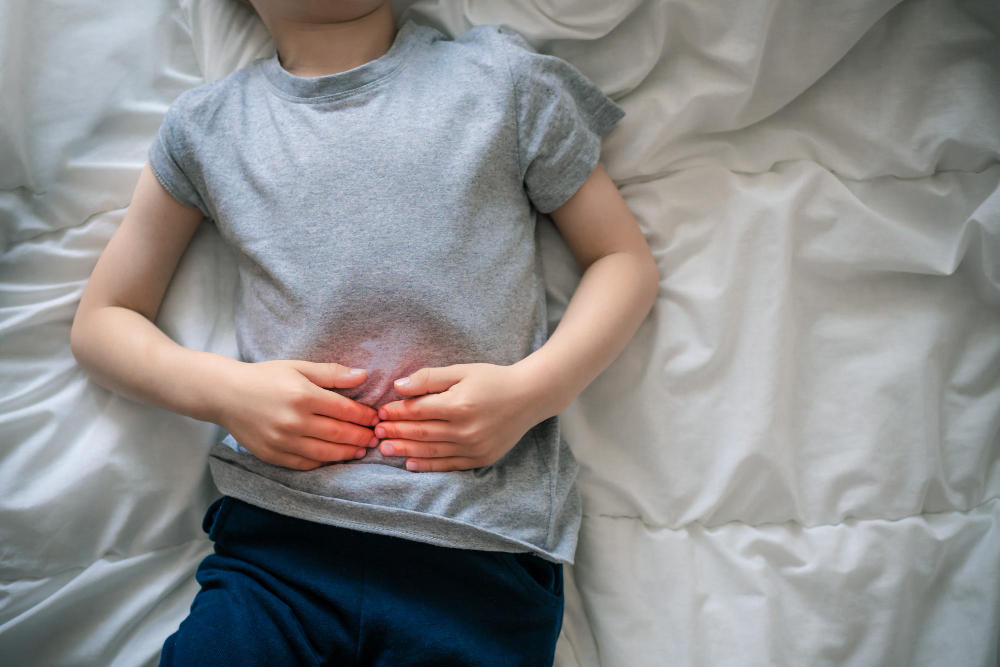
Deworming in children is an important step in keeping kids healthy. Many children can get worms from soil, food, or water. These worms can cause health problems if not treated. Early deworming in children helps prevent illness and supports growth. In this blog, you will learn about the importance of deworming, symptoms of worms in kids, treatment options, and how to prevent worms in children.
What is Deworming in Children?
Deworming means giving medicine to remove worms from a child’s body. These worms are tiny parasites that live in the intestines. Children often get them by touching dirty surfaces or eating unclean food. Deworming in children is crucial because worms can make kids weak, tired, or sick. Regular deworming helps children stay healthy and grow well.
Common Symptoms of Worm Infestation in Children
Sometimes, it is hard to know if a child has worms. However, certain signs can help parents notice a problem. Here are common symptoms of worms in kids:
If your child shows these symptoms, it may be time to consider pediatric deworming treatment.
Causes and Risk Factors
Children can get worms in many ways. For example, playing in soil or sand can expose them to worm eggs. Eating unwashed fruits or vegetables also increases the risk. In some cases, drinking unsafe water can cause worm infections. Children who do not wash their hands before eating are more likely to get worms. Kids living in crowded or unsanitary places face a higher risk. Younger children are especially at risk because they often put things in their mouths.
Diagnosis of Worm Infestation
Doctors use several methods to diagnose worm infections in children. First, they ask about symptoms and recent activities. Next, they may check the child’s stool for worms or eggs. Sometimes, doctors use a tape test to find eggs around the anus. Blood tests are rarely needed but may be used in special cases. Early diagnosis helps start treatment quickly and prevents complications.
Deworming Treatment Options
Safe medicines are available for deworming in children. Doctors often prescribe drugs like albendazole or mebendazole. These medicines kill the worms in the intestines. Usually, a single dose is enough, but sometimes a second dose is needed after two weeks. The medicine is easy to take and has few side effects. However, it is important to follow the doctor’s advice for the best results. In some areas, schools offer regular deworming programs for children.
Prevention Tips for Parents
Parents can take simple steps to prevent worms in children. Here are some helpful tips:
By following these steps, you can reduce the risk of worm infections in your child.
Frequently Asked Questions about Deworming in Children
When to Consult a Pediatrician
Although mild symptoms may improve with treatment, some signs need urgent care. For example, if your child has severe stomach pain, vomiting, or blood in stool, see a pediatrician right away. Also, if symptoms do not improve after deworming, seek medical advice. Early help can prevent serious problems and keep your child healthy.
Conclusion
In summary, deworming in children is vital for their health and growth. Watch for symptoms of worms in kids and follow prevention tips. Safe pediatric deworming treatment is available if needed. For the best care, consult a pediatrician at Safe Hospital for personalized advice on deworming your child.