Introduction
Acute respiratory failure in children is a serious condition. It happens when a child’s lungs cannot provide enough oxygen or remove enough carbon dioxide. Because this can be life-threatening, quick action is important. Many parents worry about pediatric respiratory emergencies. However, knowing the signs and causes can help you act fast. In this blog, we will explain the symptoms, causes, diagnosis, and treatment for acute respiratory failure in children. We will also share tips for prevention and home care.
Symptoms
Recognizing the signs of respiratory failure in kids is key. Early symptoms may be mild, but they can get worse quickly. For example, some children may only seem tired at first. Others may show clear signs of distress. Watch for these symptoms:
Because symptoms can change quickly, always watch your child closely. If you notice any of these signs, seek help right away.
Common Causes
Many things can lead to acute respiratory failure in children. Some causes are more common than others. For instance, infections are a leading reason. Other causes include:
Because some causes are preventable, knowing the risks can help keep your child safe.
Diagnosis
Doctors use several steps to diagnose pediatric respiratory failure. First, they will ask about your child’s symptoms and medical history. Next, they will do a physical exam. Often, doctors use tests to check oxygen and carbon dioxide levels. These may include:
Because quick diagnosis is important, doctors act fast to find the cause and start treatment.
Treatment Options
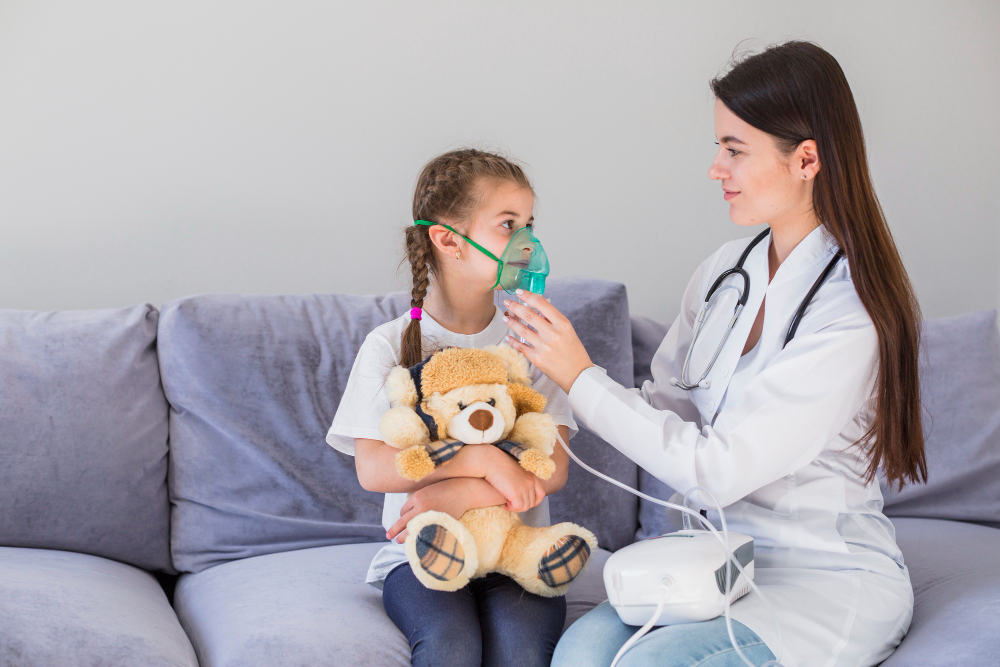
Treatment for acute respiratory failure in children depends on the cause and how severe it is. However, the main goal is to help your child breathe better. Common treatments include:
Because every child is different, doctors will choose the best treatment for your child’s needs. In some cases, children need care in a pediatric intensive care unit (PICU).
Prevention and Home Care Tips
While not all cases can be prevented, you can lower your child’s risk. For example, you can:
At home, follow your doctor’s advice for managing chronic conditions. If your child has breathing problems, keep emergency numbers handy. Because quick action saves lives, always be prepared.
When to Seek Medical Help
Some signs mean you should get medical help right away. For instance, call your doctor or go to the emergency room if your child:
Because acute respiratory failure in children is serious, do not wait if you are worried. Early treatment can save your child’s life.
Consult a pediatric specialist at Safe Hospital if your child shows any signs of acute respiratory failure or for personalized medical advice.